Himachali Food : A Journey into An Old Tradition
Kangri Dhaam
I still remember the first time I sat down to a Dhaam (Himachali Food) in a small village tucked away in the hills of Himachal Pradesh. The sun was just beginning to cast golden hues over the pine forests, and the crisp mountain air carried the scent of wood smoke and fresh earth. The whole village was alive with excitement and anticipation. The locals welcomed me warmly, their smiles genuine and eyes sparkling with pride in their tradition. The women were busy in the kitchen, stirring huge pots of curries and lentils, the aroma so inviting it pulled me closer with every breath. As I sat on the floor with others around me, the pattal plates made from dried leaves were laid out neatly in front of us. I was told that Dhaam is not just a meal but one of the best food in the Indian Cuisine list, each dish served in a particular order, each flavour carefully crafted to tell a story.
The first dish was madra chickpeas cooked in a creamy yoghurt gravy, rich with spices I had never tasted before. The warmth of the dish seeped into my hands as I ate with them, savouring the balance of tanginess and earthiness. Then came the chana dal, followed by the rajma, aloo palda, and lentils tempered with mustard seeds and red chillies. Each bite was a new chapter, a burst of history and culture. What struck me most was the feeling of togetherness. Everyone shared the meal without distinction young and old, locals and visitors, all partaking with gratitude and joy. Stories of Himachali food flowed between bites, laughter echoed through the room, and strangers became friends.
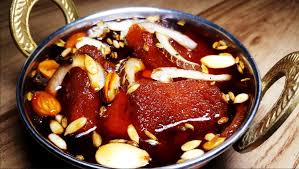
The meal ended with mitha bhaat – sweet rice flavoured with saffron and dry fruits . As I sat back, full and content, I realised Dhaam was more than food, it was a celebration of community, tradition, and the simple joy of sharing. That day, Dhaam taught me that in the hills of Himachal , food is a language of love slow-cooked, deeply rooted, and generously shared.
Dhaam: The Soul of Himachali Hospitality
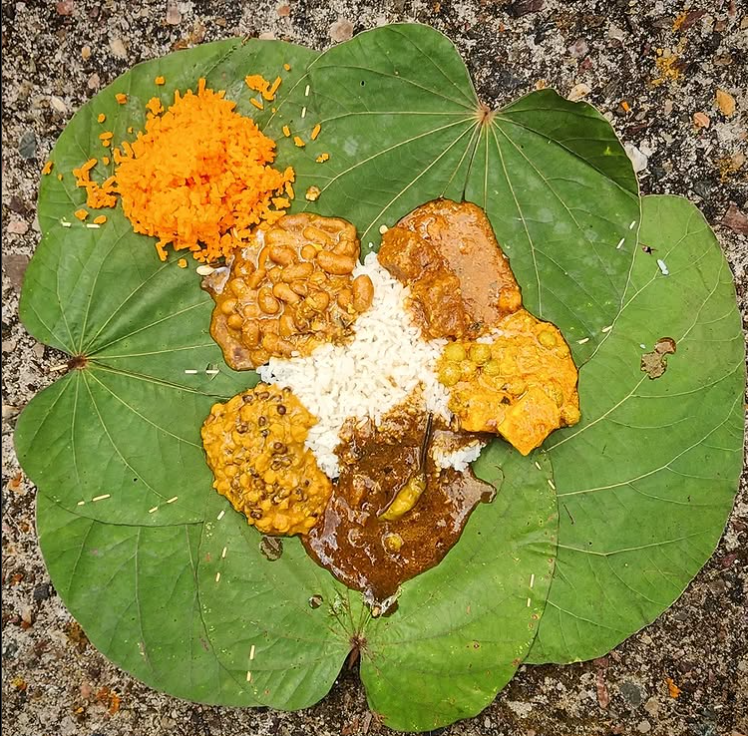
Dhaam is more than just a meal – It’s an expression of Himachali warmth, tradition, and community spirit. This traditional feast is usually prepared during festivals, weddings, and special occasions in Himachal Pradesh. What makes Dhaam truly special is not only the delicious food but the entire experience of sharing best Indian food dishes.
A Dhaam meal is served on leaf plates called pattal, and it follows a set sequence of dishes that celebrate local flavours. From the aromatic madra (a yoghurt and chickpea curry) to the rich chana dal, rajma, and fragrant mitha bhaat (sweet rice), each dish has its own story. The meal ends with sweet rice, a dessert that leaves everyone satisfied and happy.
What sets Dhaam apart is the way it brings people together. Traditionally cooked by expert community cooks called botis, these botis brought with them the art of slow cooking and the use of aromatic spices. When their techniques mixed with local Himachali ingredients, a unique and flavorful best Indian cuisine (Dhaam) was born. Dhaam is a symbol of unity and celebration. Eating Dhaam is not just about savouring food, it’s about embracing the spirit of togetherness that defines Himachal’s culture.
In the picturesque hills of Himachal Pradesh, where the mountains echo stories of rich culture and tradition, there exists a culinary celebration unlike any other — Dhaam.
The Origins and Cultural Significance of Dhaam (Himachali Food)
Dhaam has its roots deeply embedded in the rural and social fabric of Himachal Pradesh, particularly in districts like Kangra, Mandi, Chamba, and Kullu. The tradition dates back centuries and is intertwined with religious ceremonies, social gatherings, and the simple joy of sharing a meal with loved ones. Historically, Dhaam was a way for communities to come together and celebrate important milestones, from harvest festivals to weddings and temple fairs. It symbolises abundance and gratitude, showcasing the best of what the local land and kitchens can offer. The act of sharing Dhaam is seen as a sacred ritual, reflecting the values of generosity and unity.
The Dhaam Menu: A Journey Through Flavours
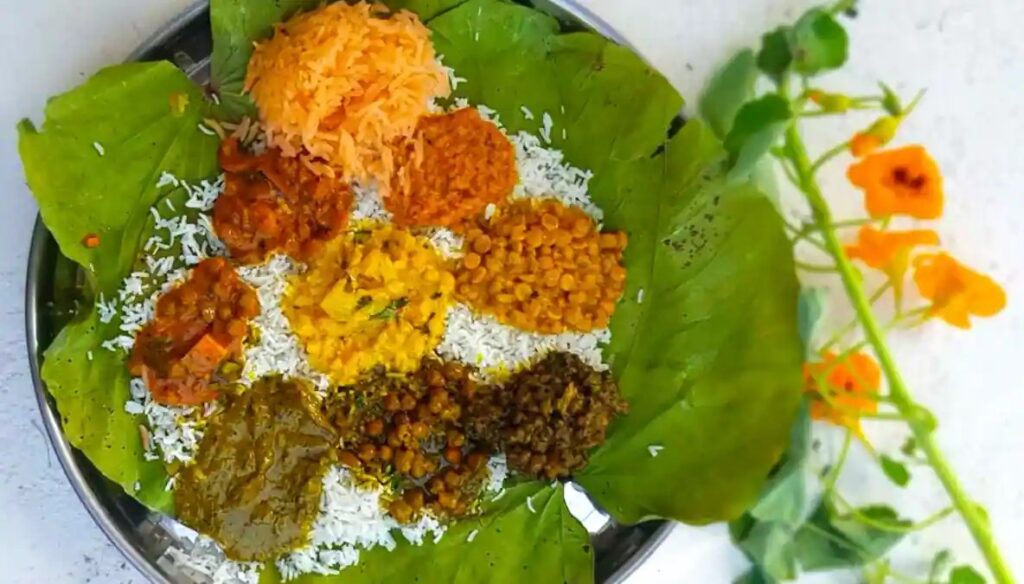
A typical Dhaam feast is a well-orchestrated culinary journey, beginning with lighter dishes and progressing to richer, heavier ones, ending with a sweet note. Recognized as a part of best Indian cuisine, Dhaam is a shining example of Himachal cuisine that brings together soulful food and cultural rituals. While variations exist depending on the region, the core dishes commonly found in a Dhaam include:
- Rice (Chawal): Plain steamed rice accompanies the dals and curries, serving as the perfect base to soak up the delicious gravies.
- Teliya maah: It is a Himachali delicacy made from black gram (urad dal), slow-cooked in mustard oil and tempered with aromatic spices. Rich, hearty, and full of earthy flavours, it adds depth to the Dhaam platter.
- Chana Dal: A lentil curry made from split chickpeas, slow-cooked with spices and sometimes garnished with coriander. It’s hearty and comforting.
- Madra: This is the star dish of Dhaam. Made from chickpeas or kidney beans cooked in a creamy yoghurt-based gravy, flavoured with spices like dry ginger, cardamom, and bay leaves, Madra is rich, tangy, and deeply satisfying.
- Mahni/Chane ka khatta: Black chickpeas a tangy preparation made with tamarind or with raw mango.
- Rajma (Kidney Beans): A staple in North Indian cuisine, the rajma in Dhaam is cooked with love, often thicker and creamier than usual, absorbing the subtle flavours of local spices.
- Rajma (Kidney Beans): A staple in North Indian cuisine, the rajma in Dhaam is cooked with love, often thicker and creamier than usual, absorbing the subtle flavours of local spices.
- Khadi: Potatoes cooked in a yoghurt and gram flour sauce, flavoured with cumin and other spices. It has a smooth texture and a mildly tangy taste.
- Mitha Bhaat (Sweet Rice): This sweetened rice dish, flavoured with dry fruits, saffron, and cardamom, adds a festive touch to the meal and is usually served towards the end.
Each dish is served in a specific order, and eating Dhaam is about savouring each course mindfully, appreciating the balance of flavours and textures. As a culinary gem from Himachal cuisine, it holds a proud place among the best Indian food dishes that tell stories through tradition, taste, and togetherness.
The Ritual of Serving Dhaam
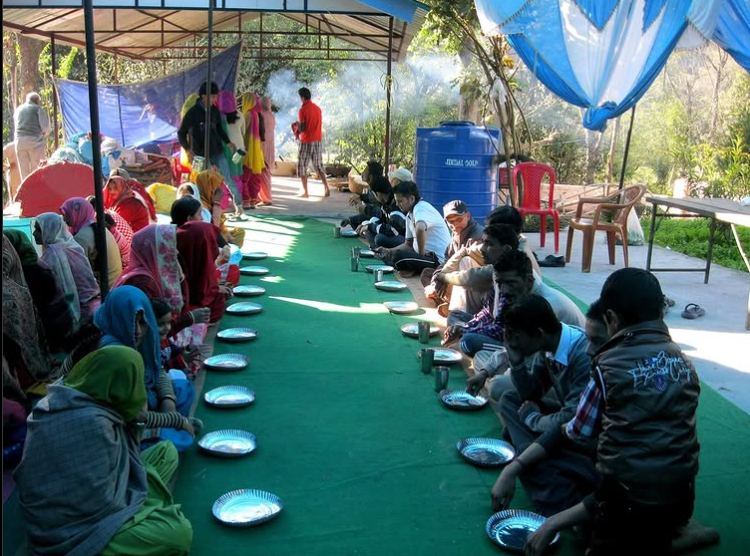
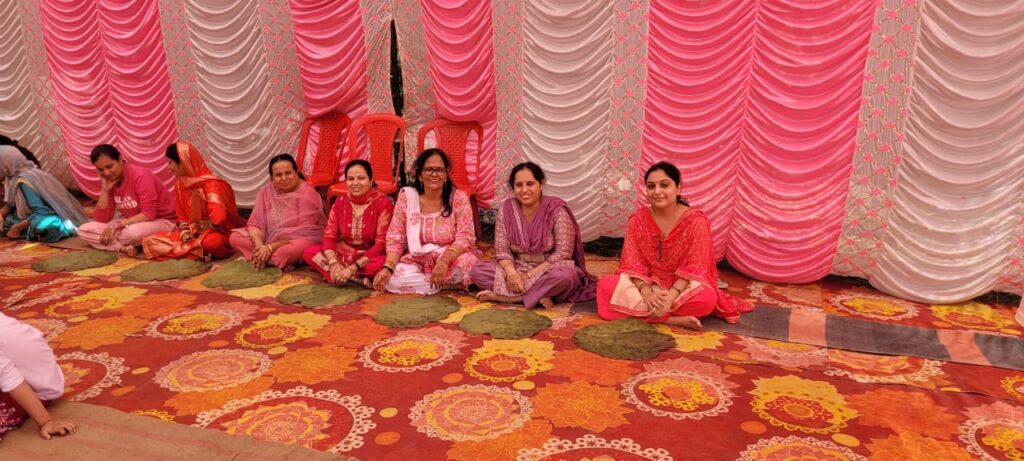
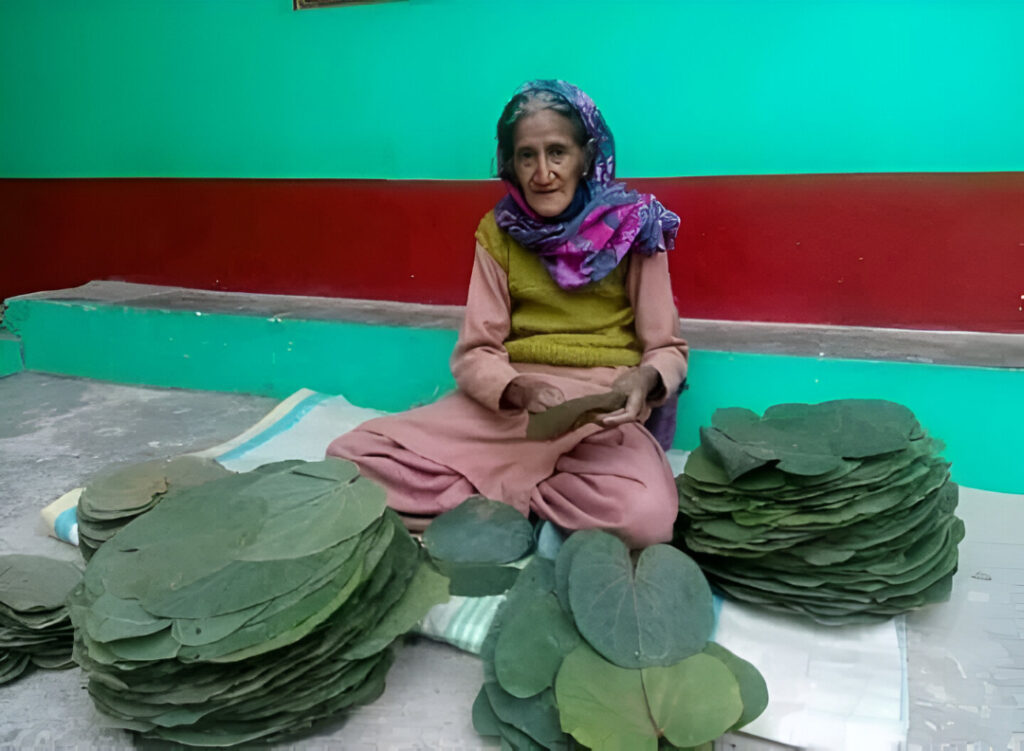
Dhaam is traditionally served on pattal — plates made from dried leaves, emphasising the connection to nature and sustainable practices. The meal is served seated on the floor, fostering a sense of equality and togetherness among diners. Eating Dhaam is often a communal experience where people share stories, laughter, and blessings along with the food.
The Hindi name for pattal is पत्तल (pronounced pattal), which literally means “leaf plate.” It specifically refers to plates made from साल के पत्ते (Sal ke patte) — साल के पत्तों से बना हुआ पत्तल — leaf plates made from Sal tree leaves.
The Preparation: An Art and Labour of Love
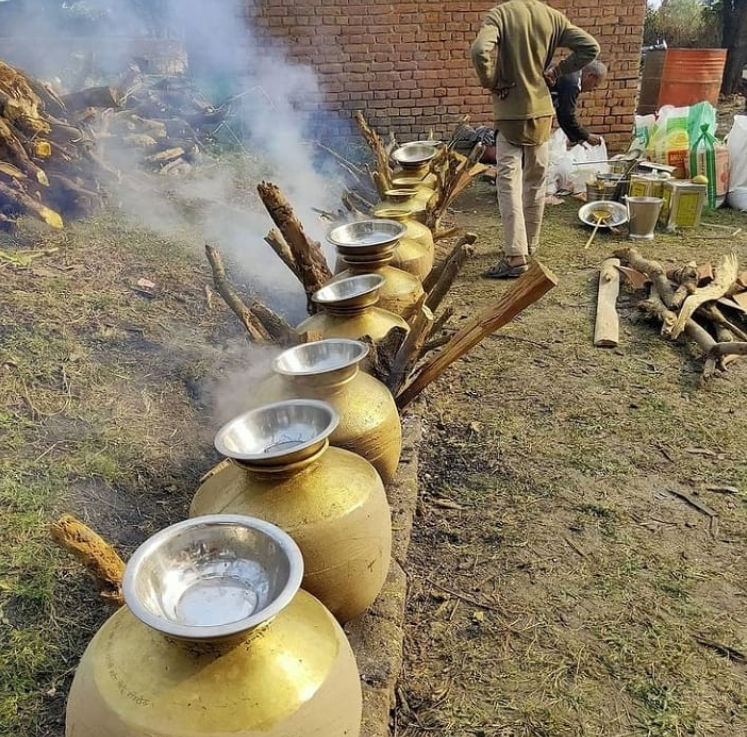
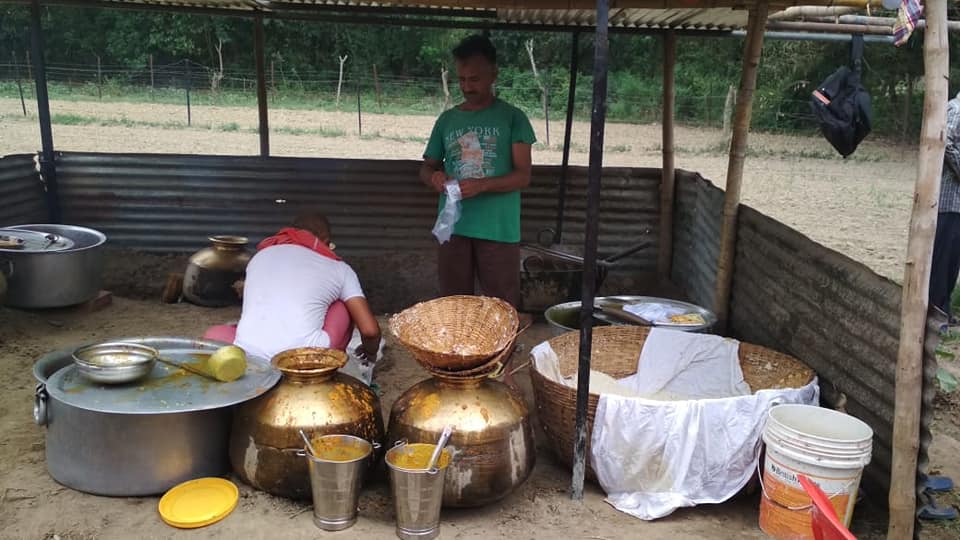
Preparing Dhaam, one of the most cherished traditional dish of Himachal cuisine and a true gem of Himachali food, is no small feat. The process often begins days in advance, sourcing fresh local ingredients like ghee from mountain cows, spices harvested from Himachali fields, and fresh dairy products. The cooking requires patience, precision, and an intimate knowledge of flavours.
A temporary kitchen is built near the house’s compound, hosting the Dham. A 6 feet by 9 inches canal is dug in the ground, and erecting bamboo sticks serves as the pillar for the steel sheet roof for the kitchen. The botis work in large earthen pots over slow-burning wood fires, stirring and tasting the food at every stage.
Why Dhaam Matters: More Than Just Food
Dhaam (Himachali Food) is a powerful reminder of how food can transcend nourishment to become a celebration of life, culture, and community. It teaches us the values of sharing, patience, and respect for tradition. In a fast-paced world, Dhaam invites us to slow down, connect with people around us, and savour not only the food but the relationships that nourish our souls.
Trust me every bite feels like you are eating history, culture, and love. This is slow food at its finest- no rush, no fancy plating, just pure taste and tradition. As with many dishes found in any meaningful Indian cuisine list, the making of Dhaam is about more than just food—it is about devotion, community, and the unspoken love served with every bite.
It is a soulful experience where flavors speak louder than presentation, and warmth is served not just in the curries but in the company. Dhaam is not something you eat it is something you feel. It is the kind of meal that lingers in your heart long after the leaf plate is empty, reminding you that the most unforgettable meals are the ones shared with others.
More Himachali Cuisine
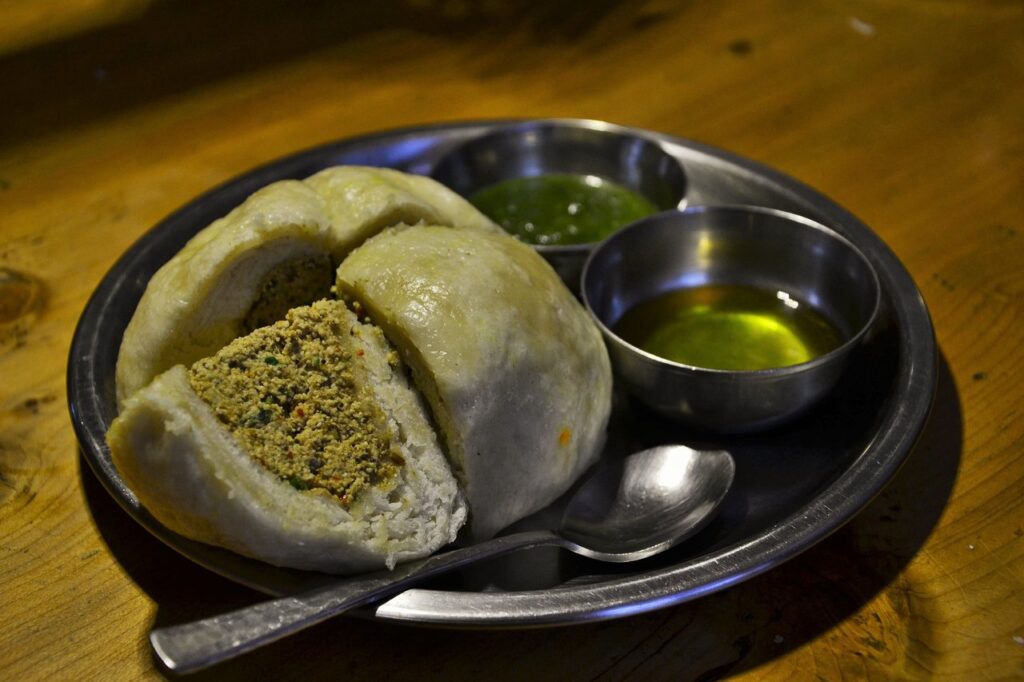
SIDDU
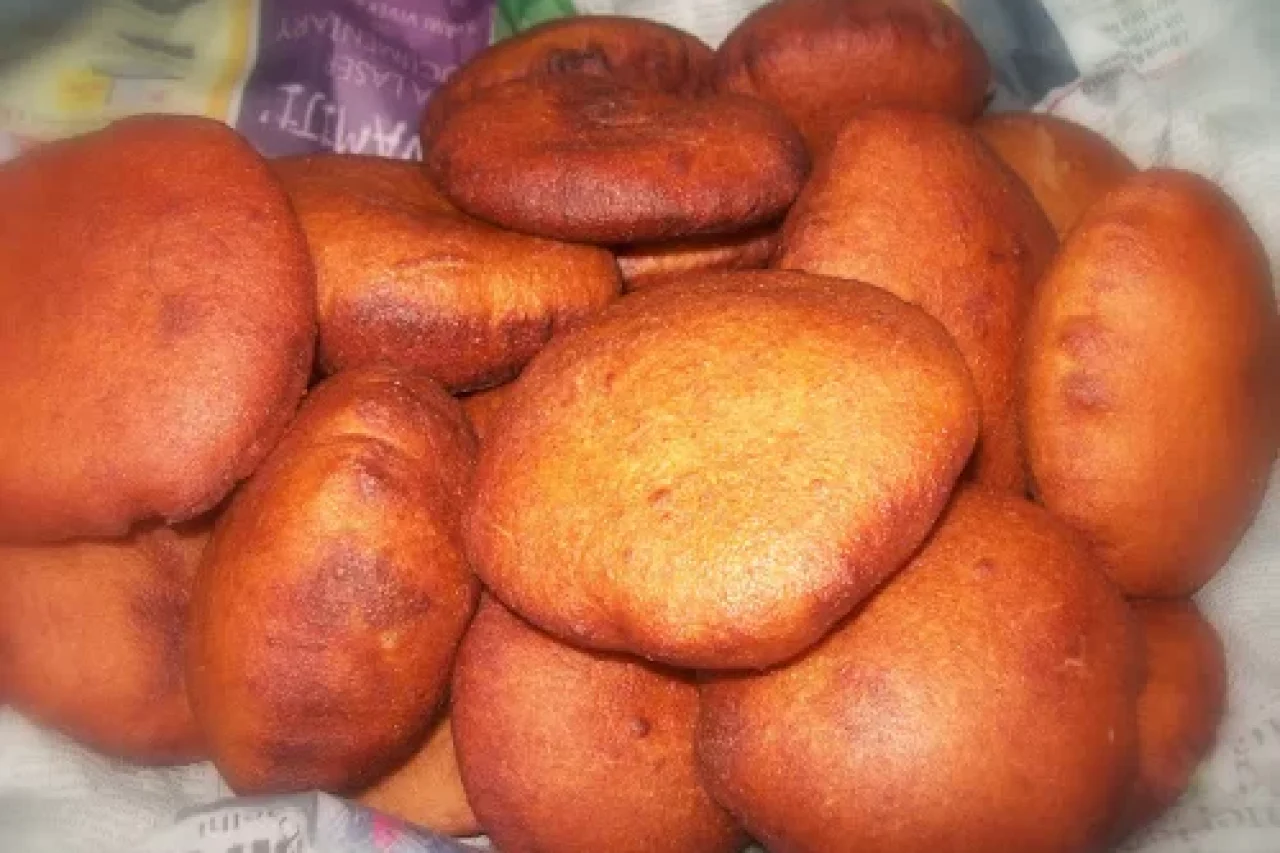
BABRU
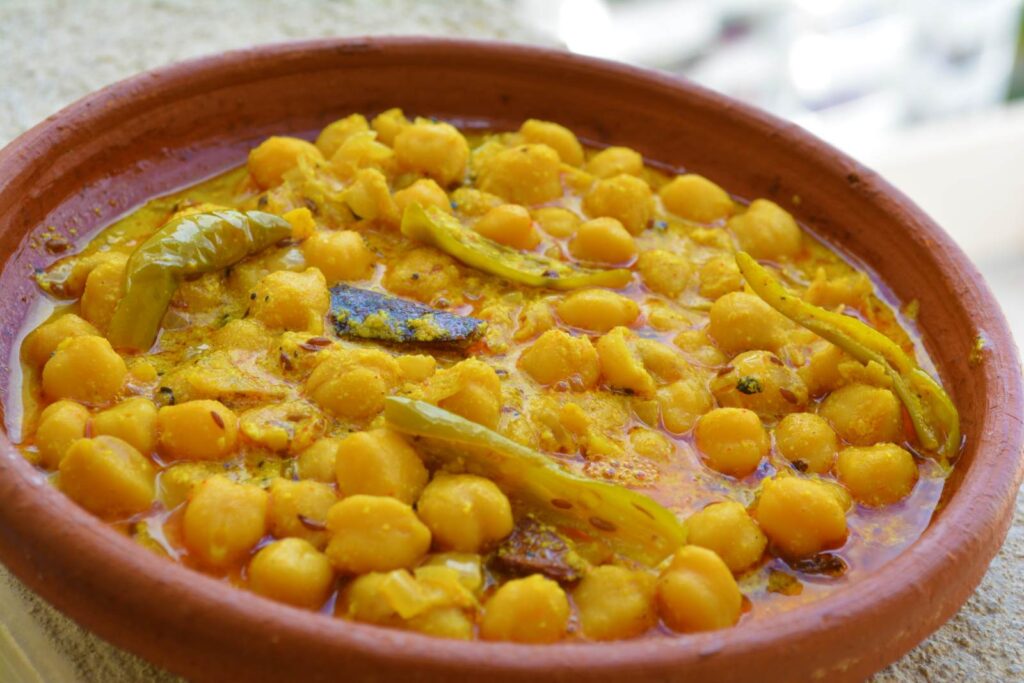
MADRA