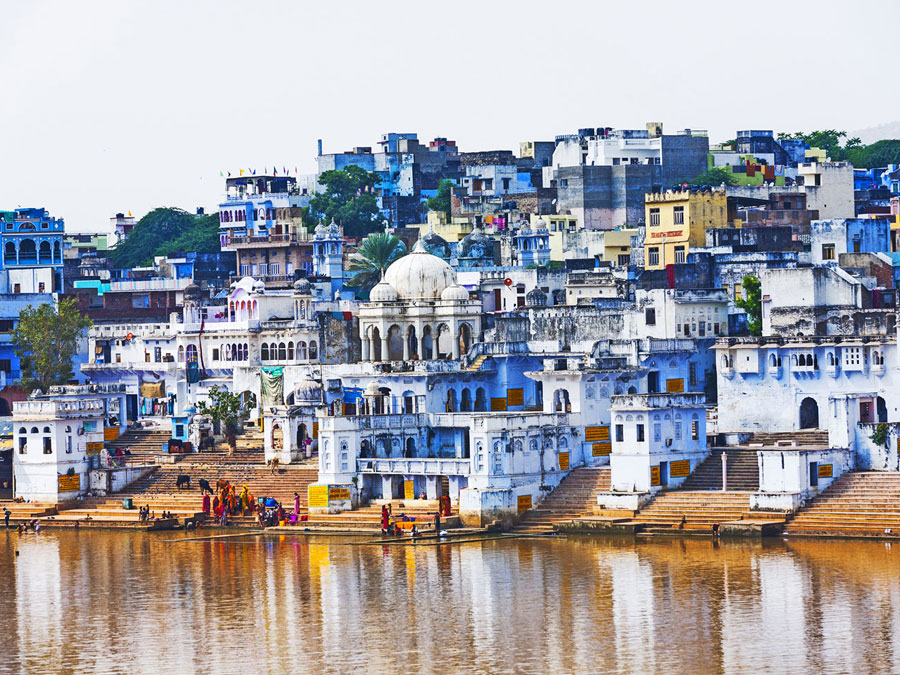
Ajmer Sharif Dargah: Explore the Spiritual Soul of Rajasthan
Why Visit Ajmer Sharif?
In the heart of Rajasthan lies a spiritual sanctuary that transcends religion, Ajmer Sharif Dargah. Known for its sacred aura and divine peace, it is the mausoleum of the beloved Sufi saint Hazrat Khwaja Moinuddin Chishti, fondly remembered as Gharib Nawaz, or the helper of the poor.
Every year, millions of visitors from different religions and countries visit this holy site to seek blessings, make wishes, and find inner peace. Whether you’re religious, spiritual, or simply curious, Ajmer Sharif Dargah is a deeply enriching experience.
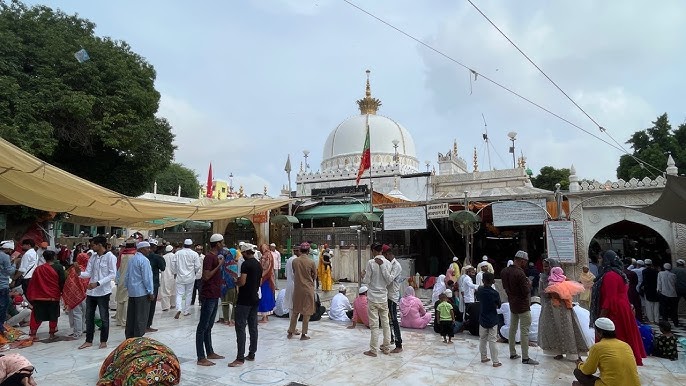
History of Hazrat Khwaja Moinuddin Chishti
Hazrat Khwaja Moinuddin Chishti, one of the most respected Sufi saints in India, came to Ajmer from Persia in the 12th century. Known as Gharib Nawaz or “Helper of the Poor,” he spread the teachings of Sufism, love, peace, equality, and devotion to humanity. He didn’t seek power or wealth. Instead, he won hearts through kindness, feeding the poor, healing the sick, and welcoming people of all religions and backgrounds. His simple, powerful message connected deeply with ordinary people across India.
After his passing in 1236 AD, his tomb, now the famous Ajmer Sharif Dargah, became a sacred pilgrimage site. Every year, millions of devotees visit this Sufi shrine to offer prayers, seek blessings, and feel the deep spiritual energy of Khwaja Sahib. Even centuries later, his legacy lives on. The Dargah stands not only as a historic monument but as a symbol of unity, faith, and love that continues to inspire generations.
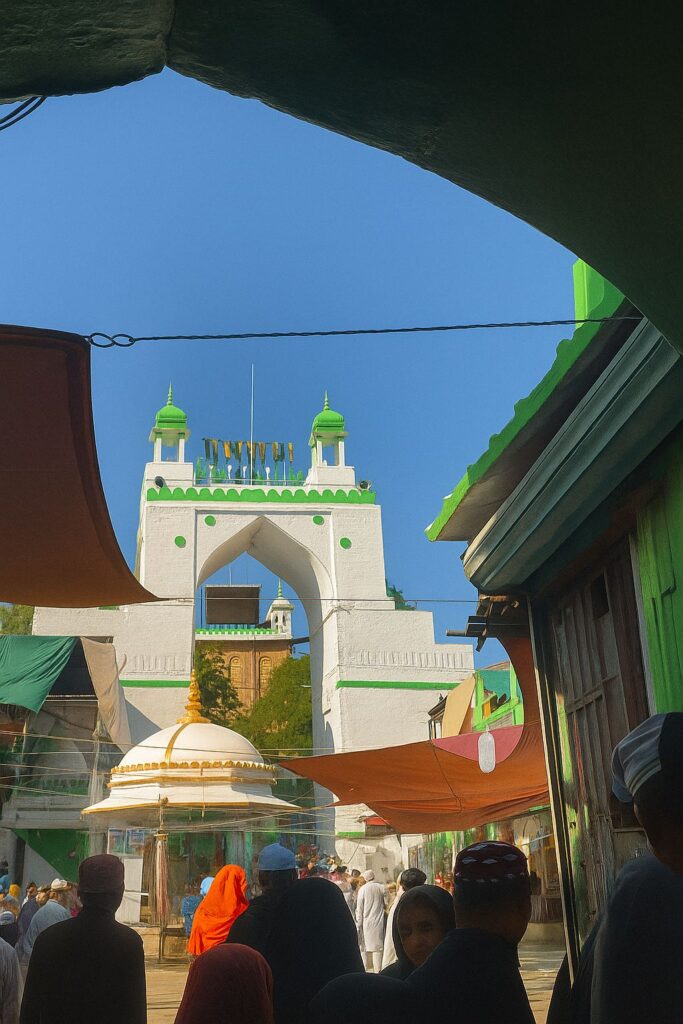
What Makes Ajmer Sharif So Special?
Ajmer Sharif Dargah, one of the most famous Sufi shrines in India, is known for its inclusive spirit and powerful spiritual aura. Unlike many religious sites that cater to a specific community, this sacred place in Ajmer, Rajasthan, welcomes devotees from all religions: Hindus, Muslims, Sikhs, Christians, and more, making it a true symbol of religious harmony in India. The tomb of Hazrat Khwaja Moinuddin Chishti, also called Gharib Nawaz, draws millions of visitors each year who believe that sincere prayers offered here are fulfilled. Whether it’s a local pilgrim, a Bollywood celebrity, or a national leader, people from all walks of life visit to offer a chadar at the Dargah and seek divine blessings. The atmosphere is both spiritual and mesmerising; the sound of Sufi Qawwali echoing through marble halls, the scent of rose petals and incense, and the devotion of the crowd all come together to create one of the most peaceful and powerful spiritual experiences in Rajasthan.
Rituals, Traditions & Spiritual Energy
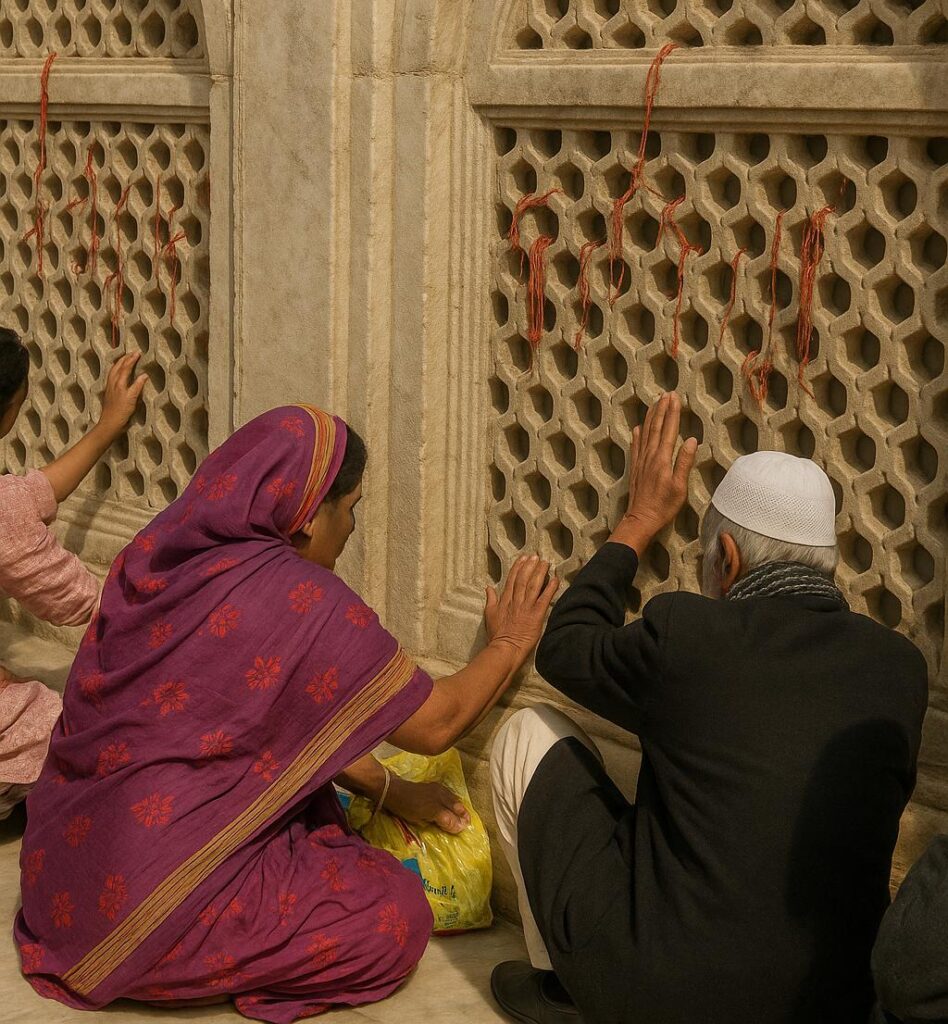
What makes the Ajmer Sharif Dargah in Rajasthan such a powerful destination is the deep spiritual atmosphere that greets you the moment you step inside. The holy site is alive with daily rituals, heartfelt prayers, and sacred traditions that keep the energy of devotion flowing. One of the most significant rituals is the offering of a chadar, a vibrant cloth placed on the saint’s tomb as a mark of respect and devotion. Pilgrims also come to pray and whisper wishes at the dargah, seeking blessings for health, marriage, success, or the well-being of their loved ones. Another unforgettable experience is witnessing the Langar at Ajmer Sharif, the free community kitchen that feeds hundreds of devotees every day, regardless of caste, religion, or status. This practice reflects the core Sufi belief in serving humanity.
A unique tradition followed by many is tying sacred threads on the intricately carved lattice windows of the shrine. It’s a symbolic gesture of faith, where visitors make a wish and leave it in the hands of Khwaja Gharib Nawaz. As the sun sets, the dargah transforms into a sanctuary of sound. The evening Qawwali performances fill the courtyard with soulful Sufi music, creating an emotional and divine connection that stays with you long after you leave. These traditions aren’t just rituals; they are timeless expressions of devotion that make Ajmer Sharif Dargah a must-visit spiritual destination in India.
Architectural Beauty of the Dargah Complex
While many visit Ajmer Sharif for spiritual reasons, the site is also admired for its stunning Mughal-era architecture.
Main Architectural Highlights:
- Buland Darwaza: The grand entrance gate is made of white marble.
- Nizam Gate: Donated by the Nizam of Hyderabad, a true masterpiece.
- Shahjahani Gate: Commissioned by Mughal emperor Shah Jahan.
- Main Tomb (Mazar): Surrounded by silver doors and covered in golden embellishments.
- Akbari Masjid: Built by Emperor Akbar during his pilgrimage.
- Mehfil Khana: A spiritual hall used for Qawwali and community gatherings.
Everything inside, from the carved marble to the detailed domes, reflects love and respect for the Sufi saint.
Ajmer Sharif During the Urs Festival
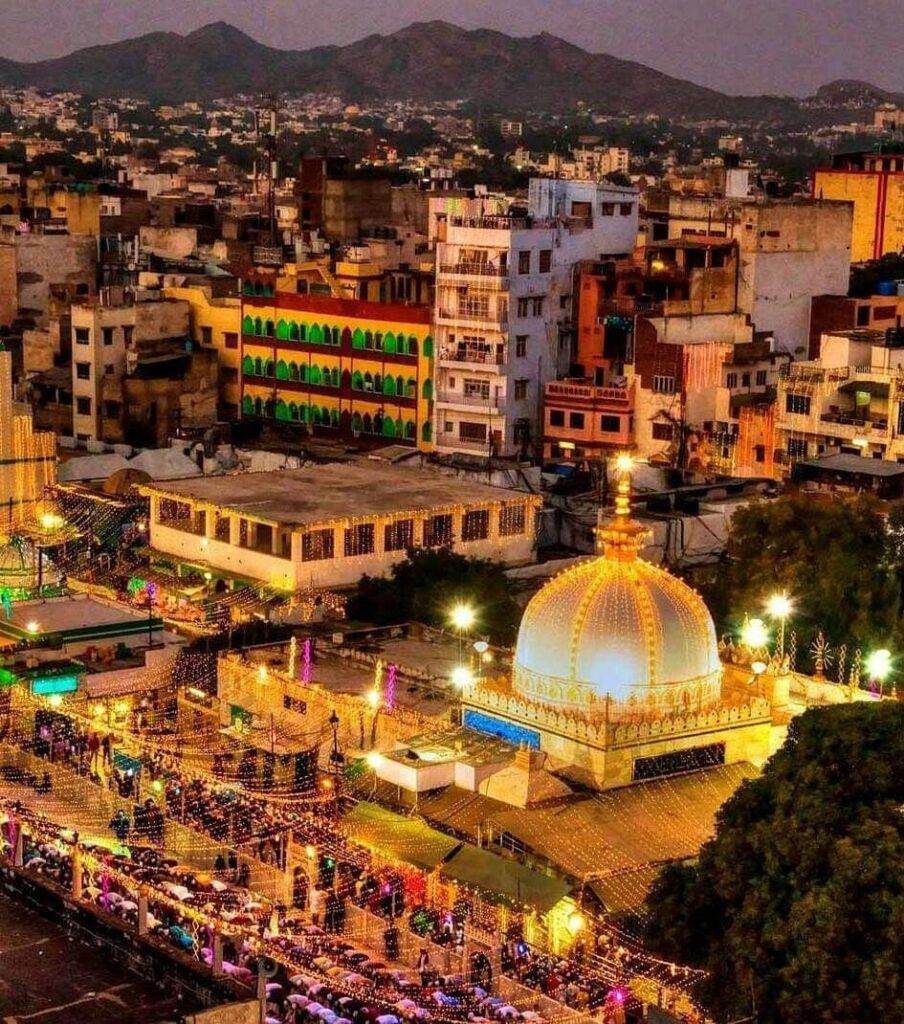
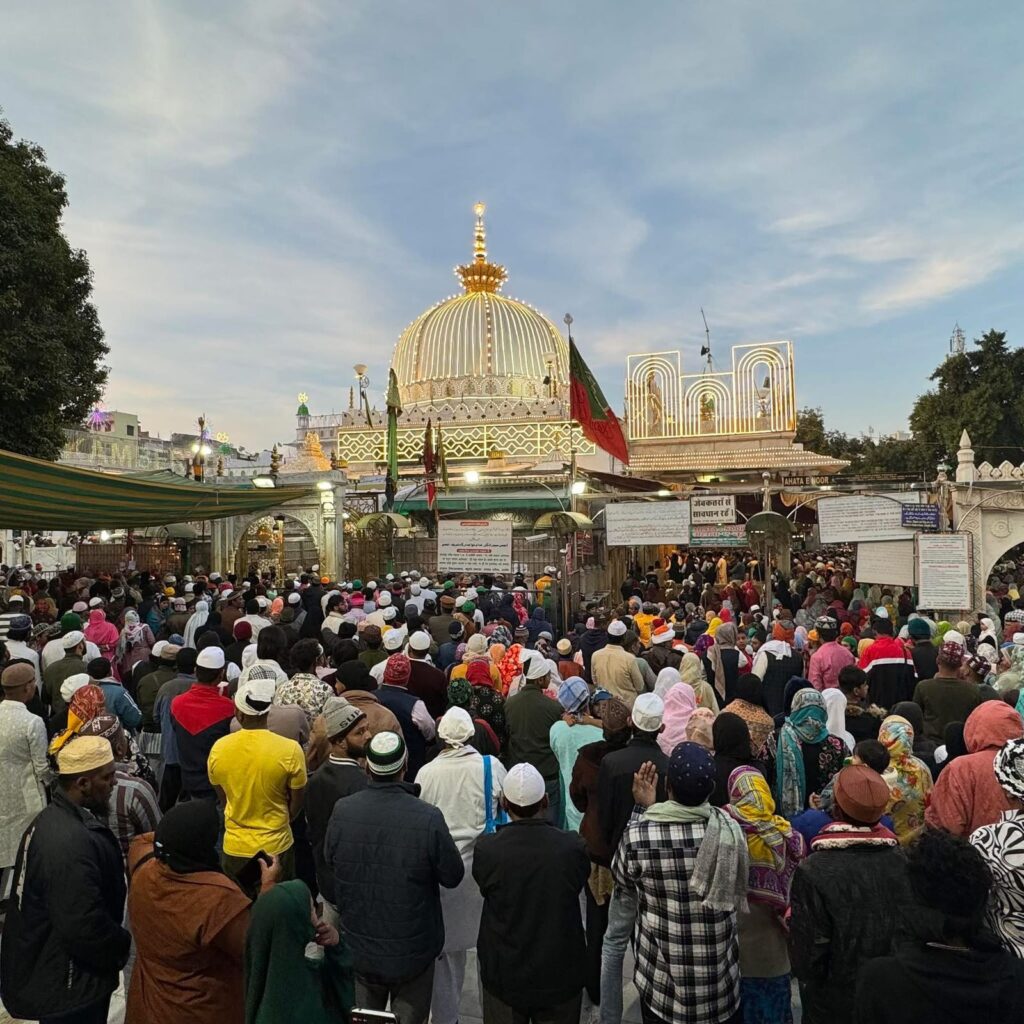
The Urs Festival at Ajmer Sharif Dargah is one of the most important and spiritually vibrant events in India. Held annually to commemorate the death anniversary of Hazrat Khwaja Moinuddin Chishti, the festival stretches across six sacred days, drawing lakhs of devotees from across India and the world. During Urs in Ajmer, the entire town transforms into a hub of devotion, music, and festivity. The Dargah is illuminated with decorative lights, and the lanes around it buzz with decorated markets, devotional chants, and spiritual gatherings. The highlight of the celebration is the soul-stirring Sufi Qawwali performances that continue through the night, filling the shrine with divine energy.
Massive langars at Ajmer Sharif serve free meals to thousands of pilgrims, following the saint’s teachings of love and service to humanity. People offer prayers, present chadars, and participate in rituals that connect them deeply to the saint’s legacy. If you’re planning a spiritual getaway or want to witness the magic of Sufi traditions in India, visiting Ajmer Sharif during the Urs Festival is an experience of a lifetime. The air is charged with devotion, and every corner of the city echoes the timeless message of unity, peace, and compassion.
Travel Tips for Visiting Ajmer Sharif Dargah
If you’re planning a visit to Ajmer Sharif Dargah, a few practical travel tips can help ensure a peaceful and spiritually fulfilling experience. First, dress modestly when entering the shrine covering your shoulders and legs is a sign of respect, and women are advised to carry a scarf to cover their heads while inside the Dargah complex. Like most religious places in India, footwear is not allowed inside prayer areas, so be prepared to remove your shoes at designated points before entering.
While the spiritual ambience of Ajmer Sharif is truly magnetic, visitors should be mindful of etiquette and local customs. Avoid taking photographs within the inner sanctum, as it is a sacred space meant for prayer and reflection. When it comes to donations, always give at official donation counters rather than to individuals who may approach you — this helps avoid scams and ensures your contributions are used for genuine charitable purposes.
As Ajmer Sharif is one of the most visited Sufi shrines in India, it can get quite crowded, especially during the Urs Festival and weekends. Stay cautious of your belongings to avoid pickpockets in packed areas. Planning your trip early, especially during festive seasons, will help you manage time, accommodations, and transportation better, making your spiritual journey smooth and memorable.
Nearby Destinations
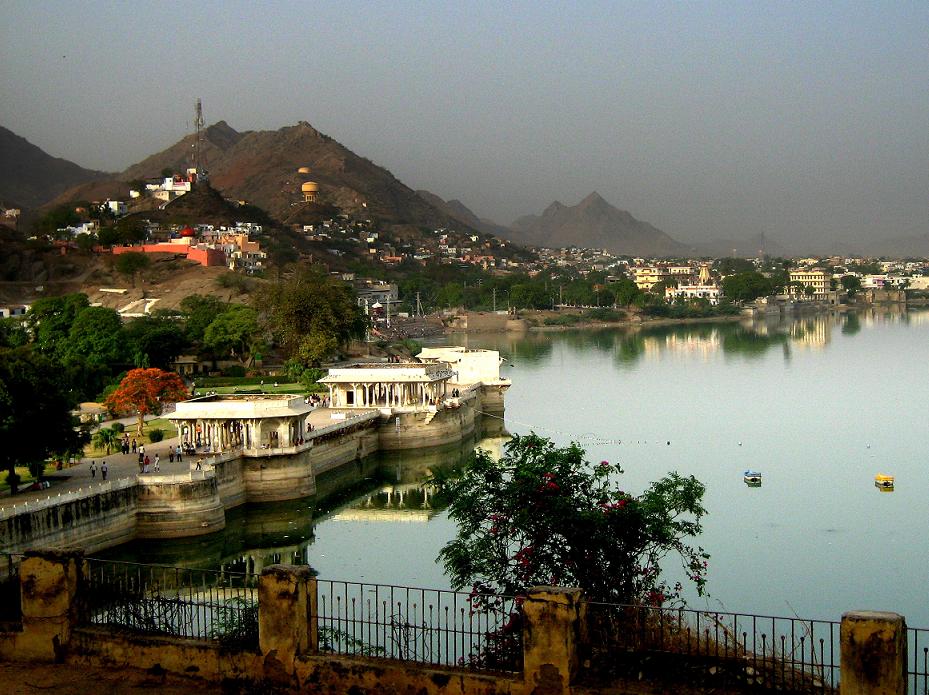
Ana Sagar Lake
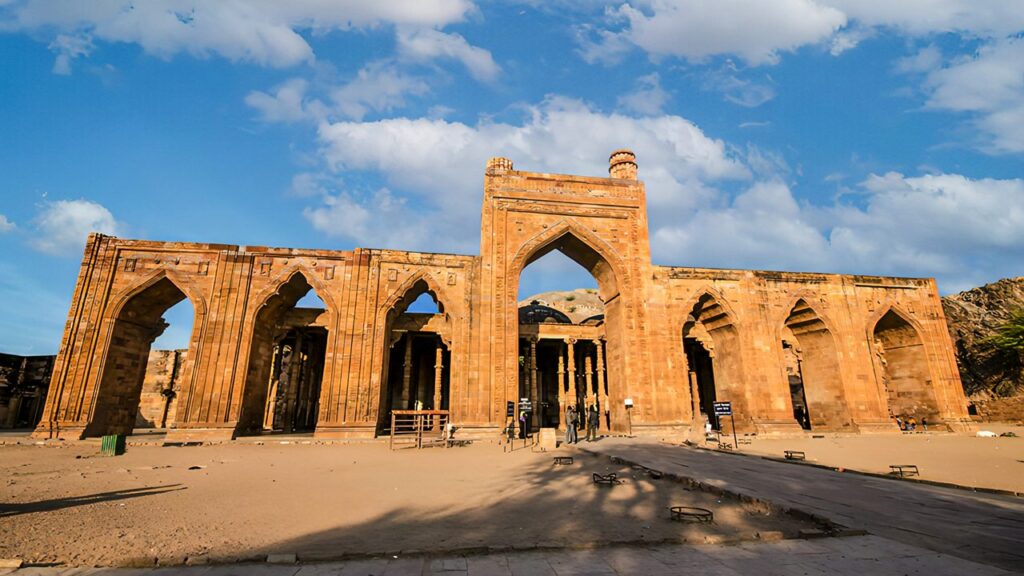
Adhai Din Ka Jhonpra
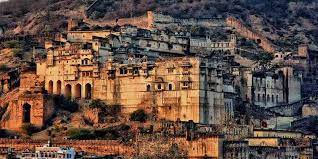
Targah Fort