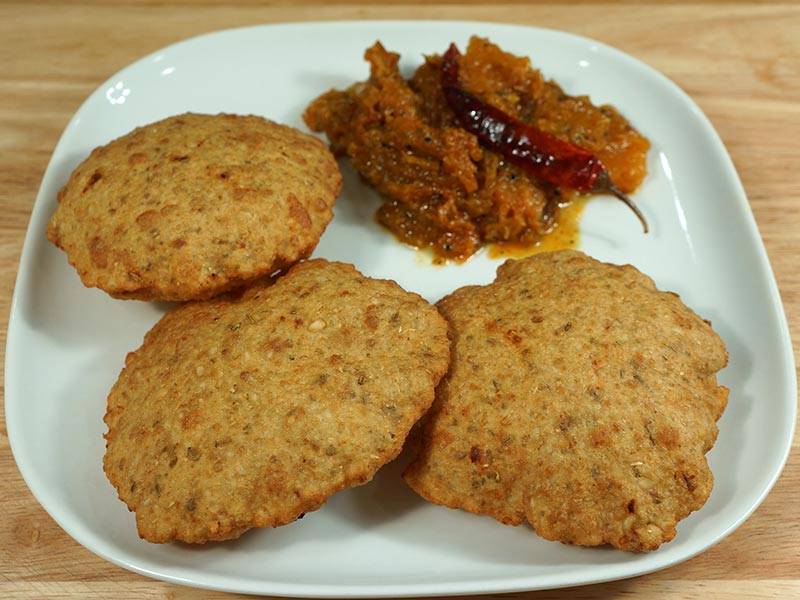
Litti Chokha: Spicy, Smoky & Soulful Bihari Street Food
Litti Chokha: The Earthy Soul of Bihar on a Plate
I still remember the first time I tasted Litti Chokha. It was a cool winter morning in a small village near Patna, where the scent of roasted sattu and firewood drifted through the air like a quiet promise. It was just after dawn when I reached the village of Barh, about 60 kilometers from Patna. The early morning air carried a soft chill, and the fields stretched endlessly on either side of the narrow mud road. I was on a personal journey not just to explore a dish, but to discover the culture that lives in every bite of Bihar’s most iconic meal: Litti Chokha.
I had heard of it before, of course. As someone who grew up in northern India, Litti Chokha always came up in conversations about regional foods. It was often described as Bihar’s answer to Rajasthan’s Dal Baati but I would soon learn that comparison barely scratches the surface.
This wasn’t just a dish. It was a story.
A Kitchen Without a Stove
My host for the day was an elderly woman affectionately known as “Amma” in her village.
I was sitting on a woven charpai under the shade of a neem tree, watching Amma expertly roll dough balls and stuff them with a spiced sattu mixture, her hands moving with the ease of long tradition.
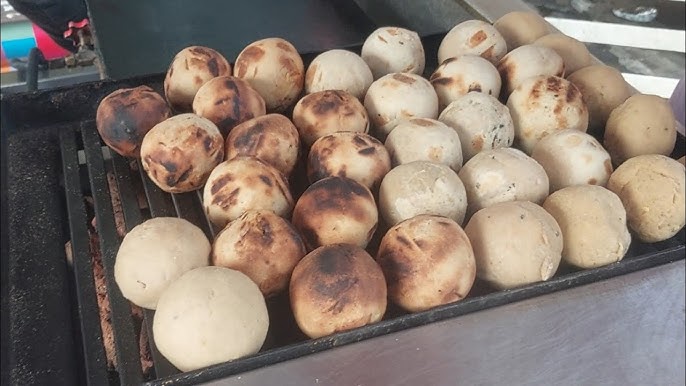
“Yeh hamara Bihar ka khazana hai,” she said with a smile, as she carefully placed the littis on a bed of hot coal. That one line stayed with me. Because in that humble, rustic dish lay centuries of culture, pride, and identity.
She had agreed to teach me how to make authentic Litti Chokha, the way her mother had taught her decades ago not in a modern kitchen, but in an open courtyard, surrounded by cow dung caked walls and firewood neatly stacked against one side.
There were no stoves. No shiny utensils. Just a clay chulha, some coal, a heavy iron tawa, and two strong, weathered hands that had spent a lifetime cooking food for family, festivals, and farmhands.
She smiled at me, as if amused by my curiosity.
“Sabse pehle sattu banana padega,” she said, pulling out a steel jar filled with roasted gram flour — sattu, the soul of Litti.
What Makes Litti So Special?
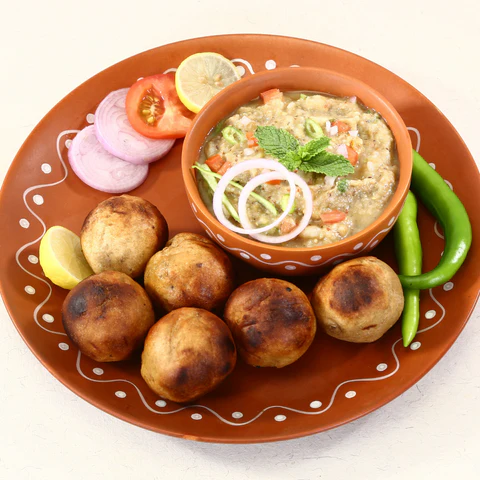
For the uninitiated, Litti is a wheat dough ball stuffed with a spiced sattu (roasted gram flour) filling. The filling typically contains chopped green chilies, garlic, onion, ginger, coriander leaves, ajwain (carom seeds), and a generous splash of mustard oil, which gives it that distinct sharpness and richness.
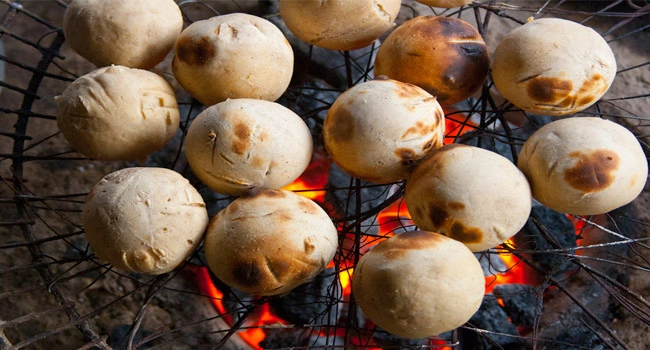
The dough balls are then roasted over coal or cow-dung cakes, slowly absorbing the smoky flavor that gives them their rustic magic. But what elevates Litti from a simple baked dumpling to a cultural experience is its accompaniment the Chokha.
The Chokha Connection
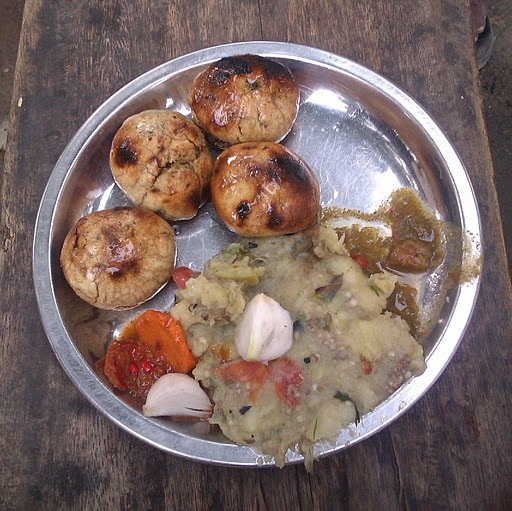
Amma prepared three varieties of chokha potato, brinjal (eggplant), and tomato. Each one had its own process. The brinjals were roasted directly over the flame until their skin blistered and the inside turned creamy. She did the same with tomatoes. The potatoes were boiled and peeled. Then everything was mashed together with raw mustard oil, chopped onions, green chilies, salt, and a touch of lemon juice. There was no masala box in sight. No pre-packaged spices. Just a handful of ingredients, and yet the flavors exploded with personality. “Yeh hai Bihar ka swad. Zameen se juda hua,” Amma said, dipping her fingers into the chokha to taste and adjust the seasoning. This is the taste of Bihar connected to the earth.
A Bite of History
Litti Chokha isn’t a new age invention. It has been around for centuries, rooted in the lifestyle of Bihari farmers, laborers, and travelers. It’s believed that the dish dates back to the Magadh empire, where soldiers and workers needed a filling, easy-to-carry, and non-perishable meal.
Its design made it ideal for the working class. The baked litti stayed fresh for hours, and the sattu filling required no cooking. The chokha made from basic, easily available vegetables was quick to prepare and required no fancy tools or techniques.
The simplicity of the dish was its superpower. It represented self-reliance, sustainability, and honest nutrition. Even today, during festivals like Chhath Puja or at weddings and community feasts in Bihar, Litti Chokha is served as a symbol of tradition and togetherness.
More Than Just a Meal
By the time the littis were cracked open and drenched in homemade ghee, I was starving. Amma handed me a plate made from sal leaves, placed three golden brown littis on it, and added generous scoops of chokha on the side. I sat on the floor, bare hands ready, and took my first bite. The crust of the litti was firm but not hard, the inside soft, grainy, and perfectly spiced. The mustard oil in the sattu hit first, followed by the freshness of coriander and the kick of green chili. The chokha was smoky, tangy, and smooth, the flavors layered but never complicated. It wasn’t just delicious it was grounding.There was something deeply emotional about eating a dish that had sustained generations through droughts, festivals, struggles, and celebrations. It made me realize how food is never just food it’s a memory, a history, and a silent storyteller.
Today, Litti Chokha has found its way into cities and international menus. You’ll find it at railway stations being sold by hawkers for ₹30 a plate, and also in plush restaurants in Delhi or Mumbai with a modern twist — think cheese-stuffed littis or chokha mousse (yes, really). Yet, the essence remains. From political rallies in Patna to family picnics along the Ganga, Litti Chokha continues to unite people. It has become a symbol of Bihar’s culinary pride, its struggle against stereotyping, and its quiet cultural power.
For Biharis living outside the state in Mumbai, Kolkata, or even abroad preparing Litti Chokha is a way of reconnecting with home, of keeping the tradition alive even thousands of kilometers away.
Final Thoughts
I left the village that afternoon carrying more than just a full stomach. I carried a piece of Bihar humble, hearty, and full of soul. In an age of fast food and fusion experiments, Litti Chokha stands tall as a symbol of heritage, simplicity, and timeless taste. It reminds us that sometimes, the most powerful stories are told through the simplest meals.
So the next time you hear of Litti Chokha, don’t just think of it as food.
Think of it as history — served hot, with a side of ghee.
More Bihari Foods
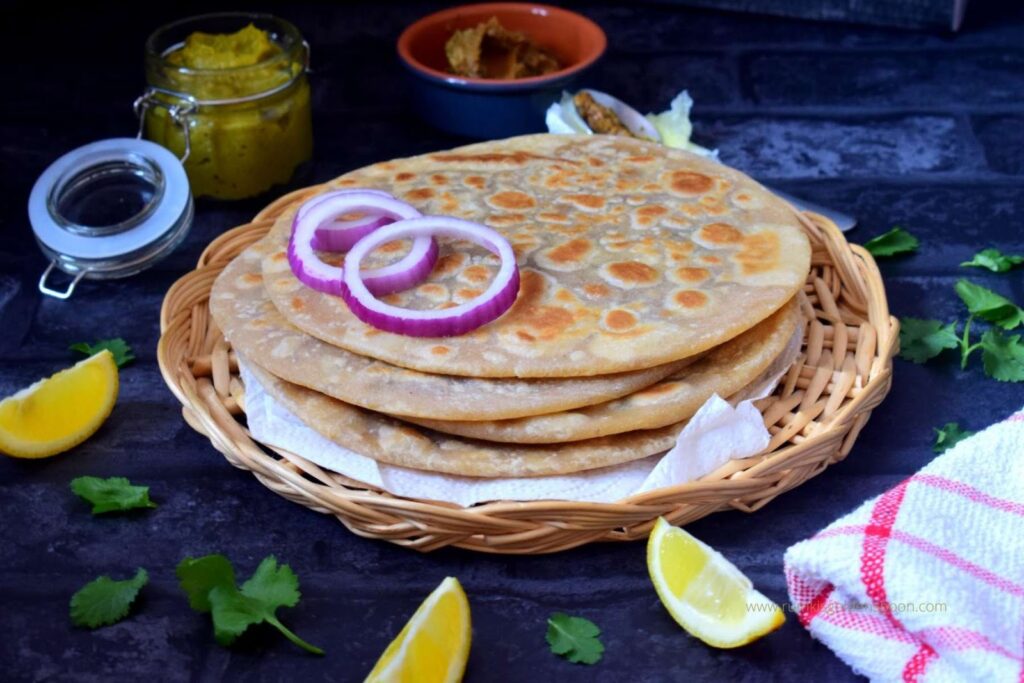
Sattu Paratha
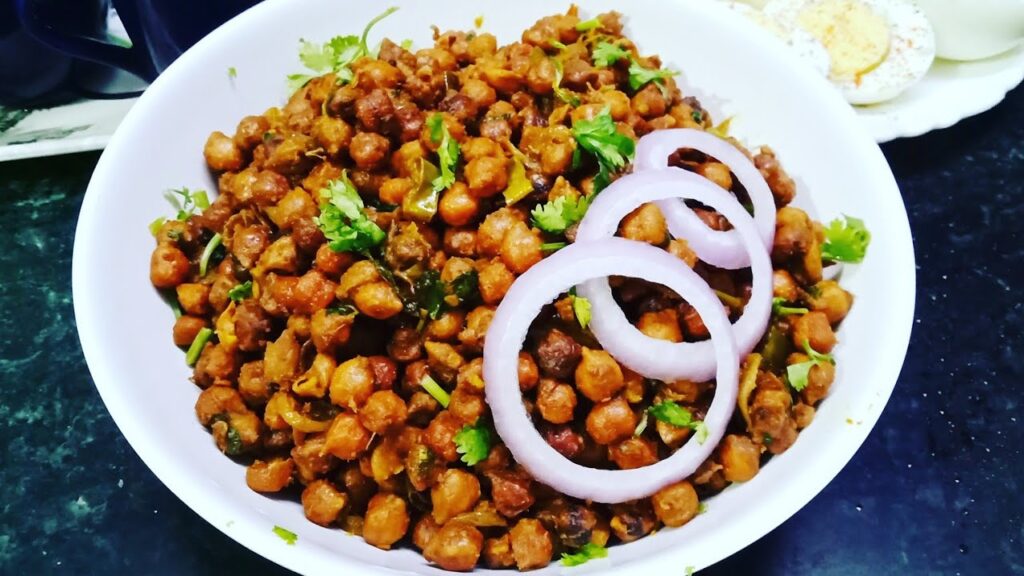
Chana Ghugni
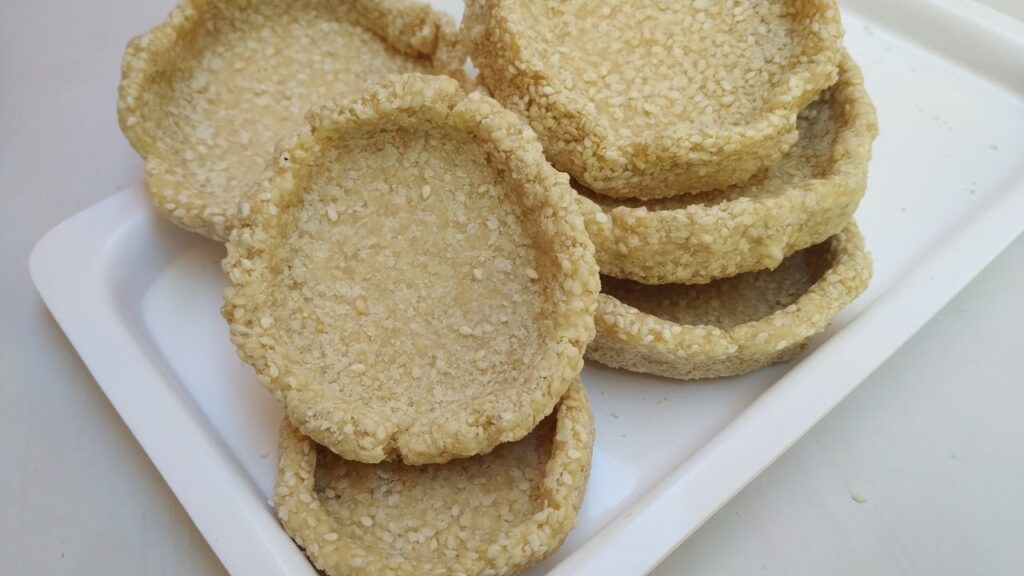
Tilkut